Perception is the process by which physical sensation such as sights, sounds, taste, texture and smells are selected, organized and interpreted (Solomon, Bennett & Previte 2019). It is the central of sensory stimuli into a meaningful pattern, but not all sensations are perceived. Many stimuli in our environment compete for our attention, but only minority of the stimuli are being noticed (Solomon, Bennett & Previte 2019). And as an individual, we have different perceptions cause the way we interpret the meaning of a stimulus are influences by our unique biases, needs and experiences (Solomon, Bennett & Previte 2019).
Indeed, the perceptions consumers perceive from a business and its products or services can have a dramatic effect on consumer behavior (Solomon, Bennett & Previte 2019). That’s why business invest a lot of money in creating a strong stimulus to grab consumer attention. For example, Lego is a successful brand which use visual communication to attract consumer.
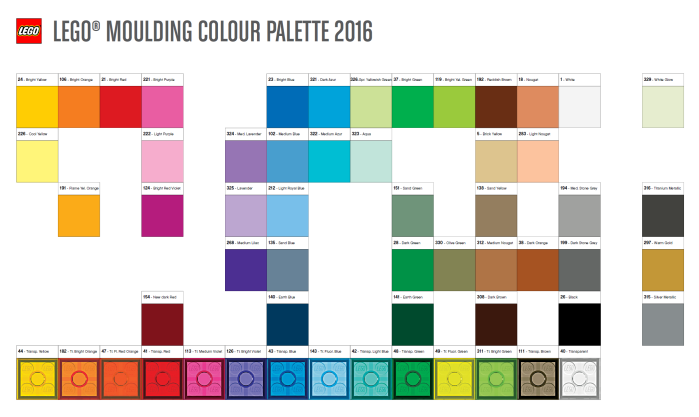
Even though Lego have a market position and brand equity their competitors can only dream of, they have an endless appetite for creating brand expressions that capture the spirit and wonder of their brand’s core essence. Lego is constantly focused on developing its visual brand assets – colours, shapes and symbols that they can own and leverage to create brand equity through all of their visual brand expressions. Lego has featured a wide array of attractive pastel colours, applicable to anything from bricks to minifigures, which allow consumers to combine them in so many creative ways. According to CNBC news, Lego have more than 3,700 different types of pieces, from mini figures to tubes and accessories such as wheels and swords and more than 900 million building combinations are possible with just six bricks of the same colour (Handley 2018). These small colourful bricks are appealing to almost every individual, regardless of any age, attracted by the idea of building things.
Besides of the packaging design, Lego also communicate its brand by using featured eye-catching, recognizable display in their advertising.
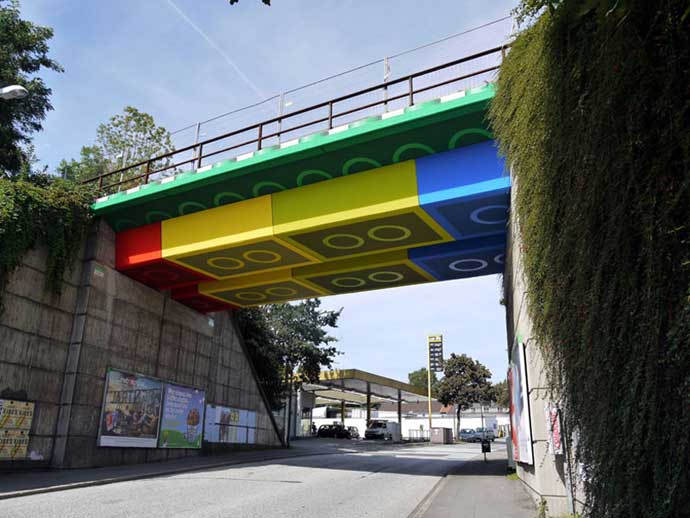
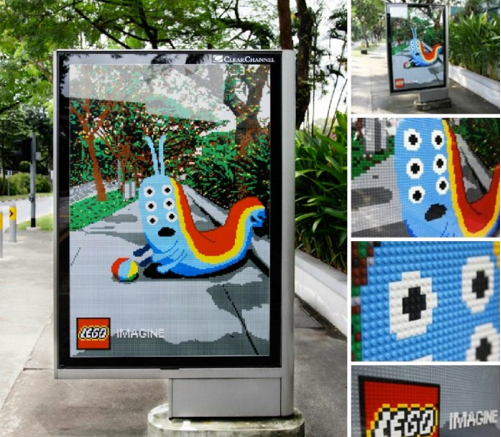
These advertising has successfully grab attentions of the on-the-go customer and create a memorable brand connection. Especially for the Lego Outdoor Billboard, Lego is using experiential marketing theory, which seeks opportunity to connect with consumers by engaging in a sensory way and drawing on the consumers’ personal experience (Solomon, Bennett & Previte 2019). The Lego advertising board was not only visibly attracted the consumer, but also allowed consumer to has a closure contact with the actual product by ‘touching’ it.
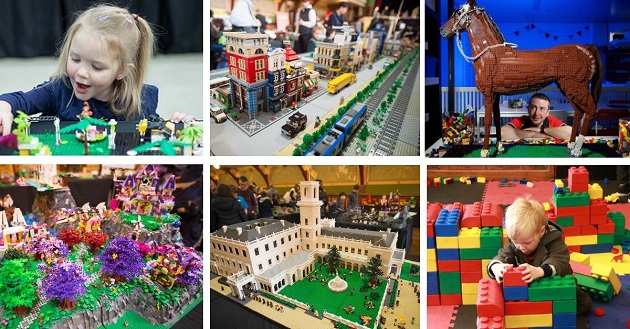
When consumer associate with the act of touching products, this sensation can actually affect consumer response. Recent years, Lego brand is frequently looking to engage with consumers via events to offer fun engagement and encourage hands on building to show that building with Lego is fun and with your imagination, you can build anything. In fact, research shows that consumers are more willing to buy the product after they associate with the texture and quality of the products (Solomon, Bennett & Previte 2019).
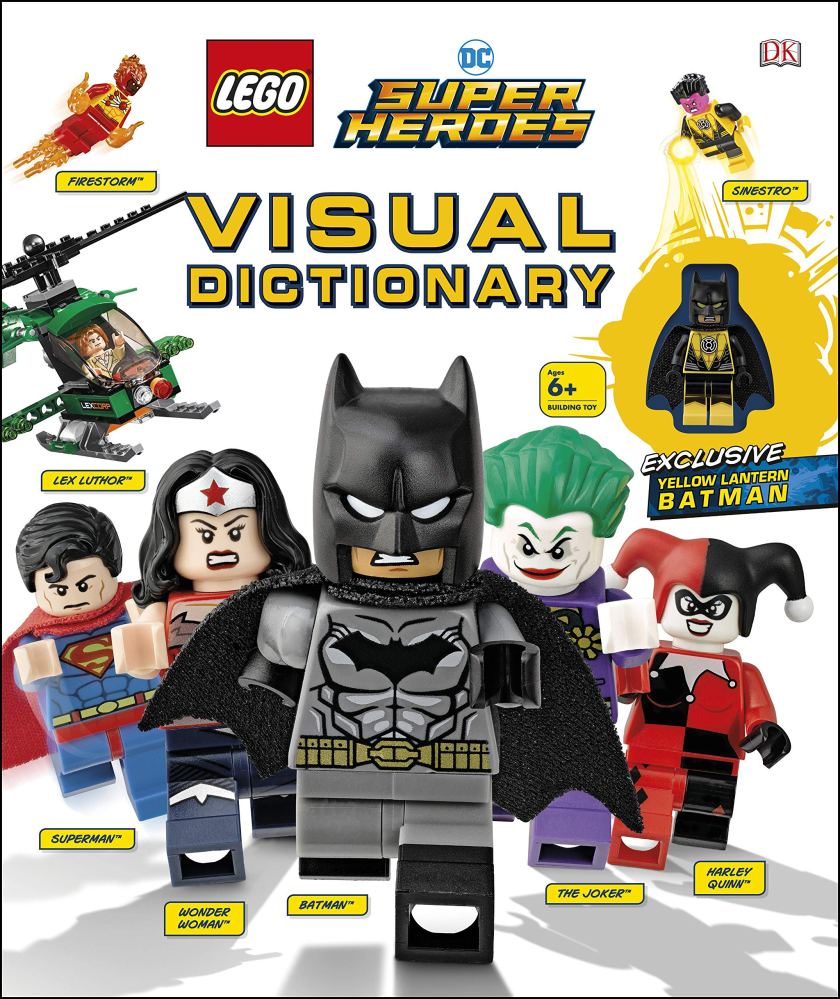
Rather than focus solely on its iconic colored building blocks, the brand also licensing partnership with the likes of Star Wars, Harry Potter, SpongeBob, and a number of superhero brands to gain children endorsement by taking advantage of the affection children feel for those characters. When licensing program design is expertly developed, products and packaging are used as major platforms through which to visually communicate and advance their stories in a tangible manner. It does not only tell stories, but also encourage the consumer to become co-creators of these stories (Mininni 2014).
As a result of accomplishing a dazzling array of licensing deals with powerful properties, Lego has successfully attracted buyers that are fans of these strong entertainment properties, helping to catapult the brand into their consciousness.
I think Lego is such a successful brand of using visual communication as a key to market its brand to the consumer, and I believed that it is one of the reason that helps them stayed at the top of children’s wish list.
What do you think of the visual marketing strategy of Lego? Do you know any brands that use the similar approach?
References
Handley, L 2018, ‘How marketing build Lego into the world’s favourite toy brand’, CNBC, 27th April, accessed 2nd April 2019, <https://www.cnbc.com/2018/04/27/lego-marketing-strategy-made-it-world-favorite-toy-brand.html>
Mininni, T 2014, ‘Create a brand new world with packaging’, Packaging World, 4 September, assessed 2nd April 2019, <https://www.packworld.com/article/package-design/strategy/create-brand-new-world-packaging>
Solomon, MR, Bennett, RR & Previte, J 2019, Consumer Behaviour, Australia Group, Sydney.


