
Attitude is a psychological variable involved in the purchase decision process that is known to influence Consumer Behavior. These attitudes are “mental positions” or emotional feelings people have about products, services, companies, ideas, issues, or institutions (Armstrong 2018). An attitude can be positive or negative because it is based on people’s values and beliefs, they are hard to change (Solomon, Russell-Bennet & Previte 2019). However, people can also be conflicted or ambivalent toward an object, meaning that they might at different times express both positive and negative attitudes toward the same object (Solomon, Russell-Bennet & Previte 2019) .
Attitude is a psychological variable involved in the purchase decision process that is known to influence Consumer Behavior. These attitudes are “mental positions” or emotional feelings people have about products, services, companies, ideas, issues, or institutions (Armstrong 2018). An attitude can be positive or negative because it is based on people’s values and beliefs, they are hard to change (Solomon 2019). However, people can also be conflicted or ambivalent toward an object, meaning that they might at different times express both positive and negative attitudes toward the same object (Solomon 2019).
For strategic decision making that is driven by insight, it is essential for marketers to understand and track consumer attitudes. In the late 90s, Lego’s market share had begun to decline (Milne 2013). Kids seemed kenner to play video games and other toys, and Lego wasn’t cool anymore. So Lego decided to hire more diverse and creative people and fostering open innovation – but executed many of them wrongly. Lego did not talk to their customer, and did not accept ideas for new products, comments or suggestions (O’neill 2010). Rather, they created their product based on what they believed consumers want. In this case of over-innovation and disconnection from customers, the outcome was a string of very expensive failed product launches (O’neill 2010).
The problems of Lego faced was not lack of innovative ideas, but they weren’t creating much value with its product and knowing their consumers were actually grows up in the changing market. We known that Lego has historically been a kid’s toy. However, there is a growing group of adult Lego fans and Lego was not paying attention to their adult fan base market, and without changing its form (O’neill 2010). Faced with bankruptcy in 2004, Lego no longer ignore the changes in the market and started listening to its consumers and their changing attitudes (O’neill 2010).
With the brand in maturity, brand awareness has already permeated the market and customer had set attitudes. So, the primary goal of Lego is to reconnect its consumer with the brand and change their attitudes toward the product. In this context, a cognitive advertising approach would not work as consumer already knew they could buy Lego, they just needed to persuaded to change what they are buying for.
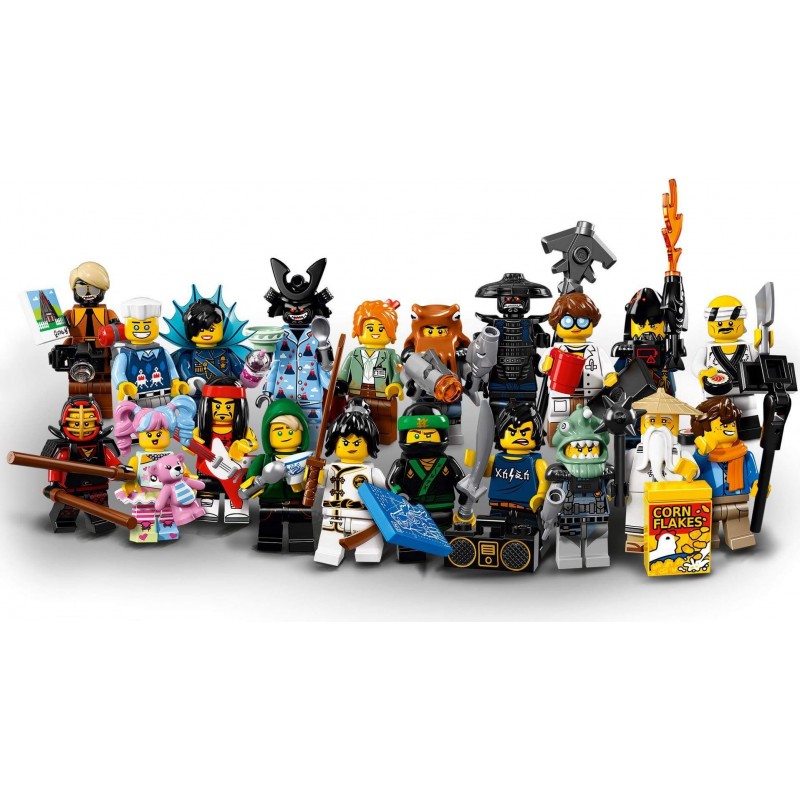
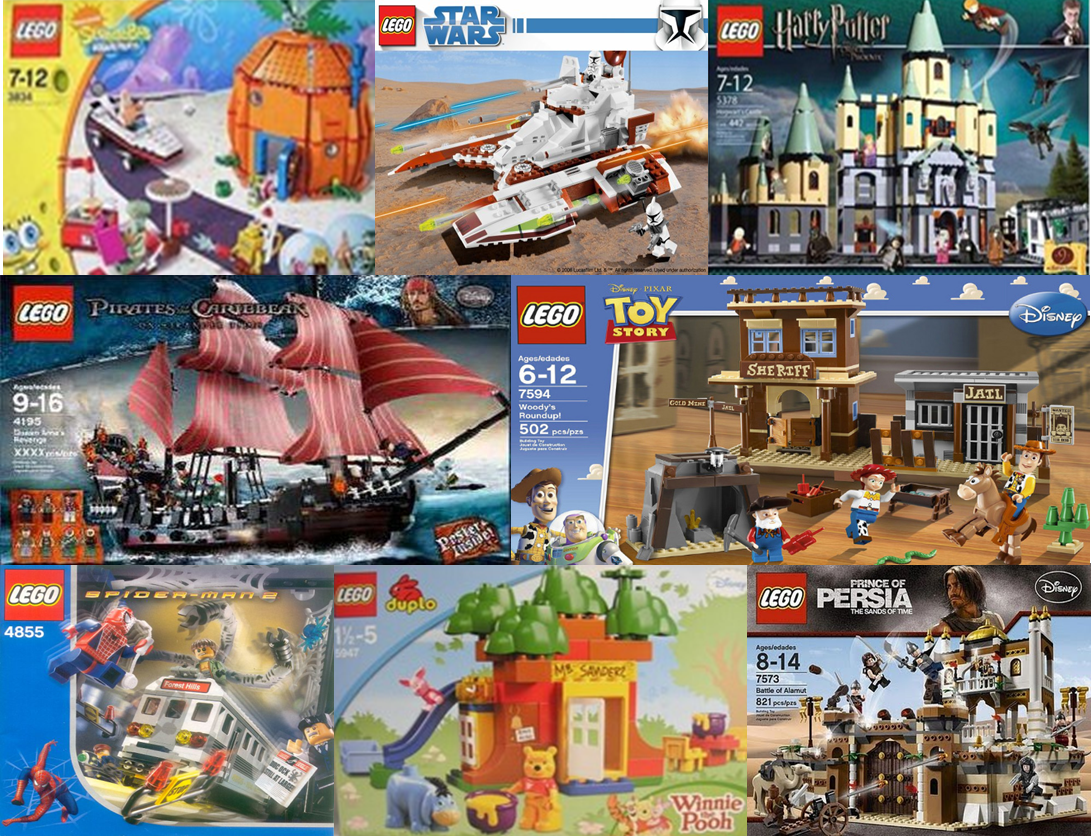
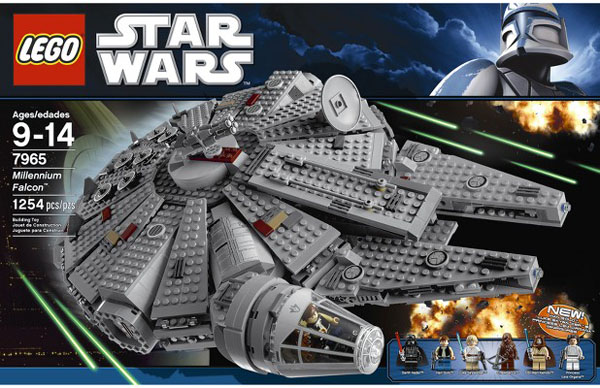
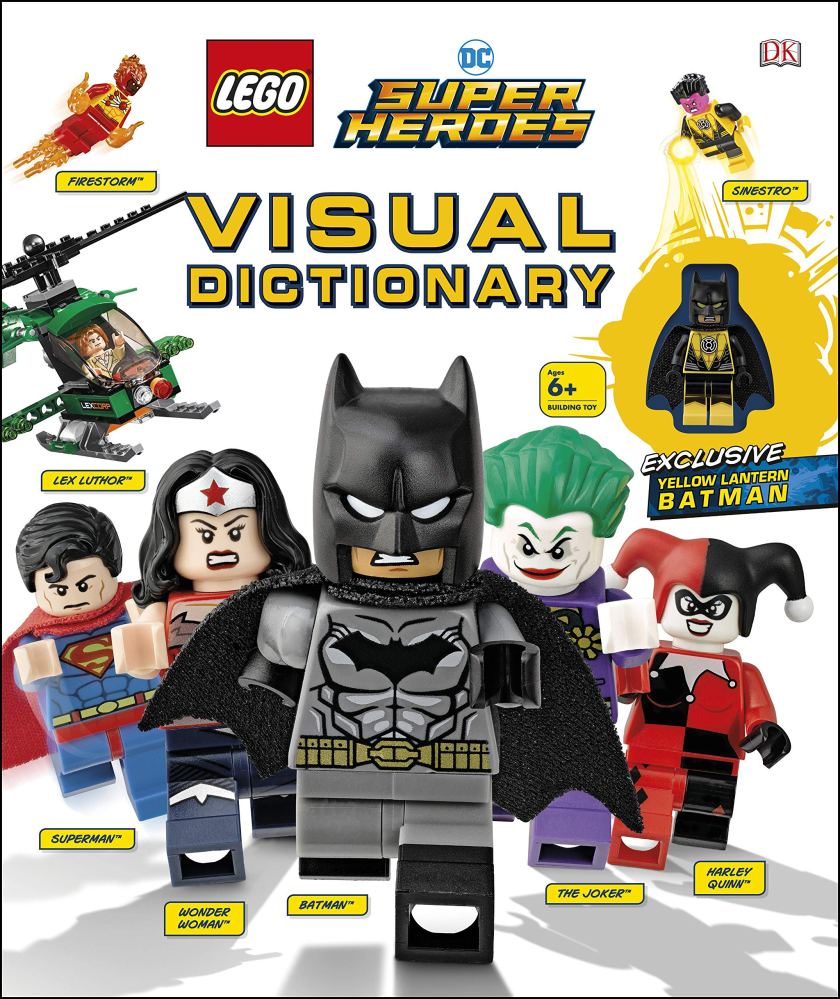
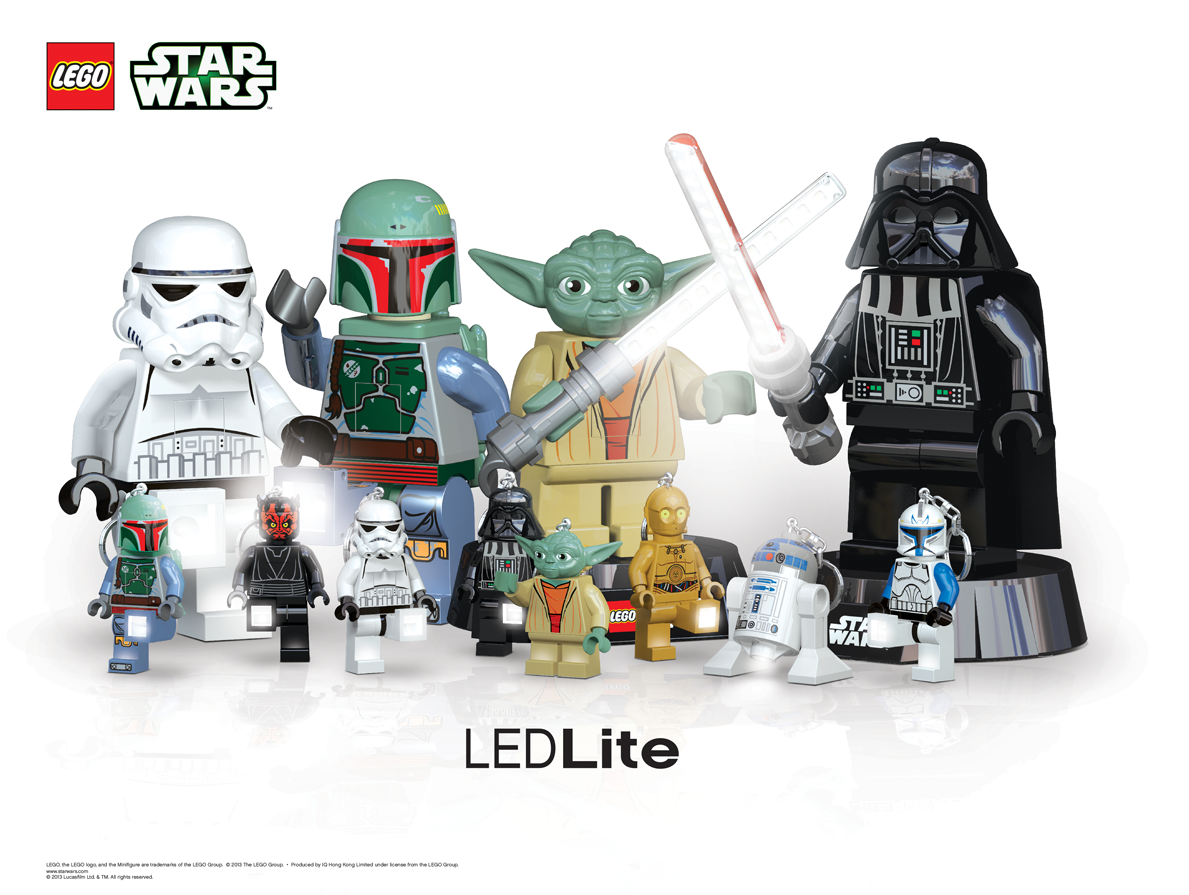
By this understanding, it led to an emotional approach to advertise its product. Since then, Lego has gone beyond the bricks, and creating an array of movies, such as Lego movies, Lego Batman, Lego Star Wars and Lego Ninjago. By adding story to the toy, it helps to create emotional attachments with consumers. In addition, Lego also start licensing partnership with brands like Star Wars, Marvel, Harry Potter and DC heros brands to gain consumer endorsement by taking advantage of how they feel for those character. This licensing strategy also seems to work for Adult! For example, my brother, a fan of Star War, has his own set of Star Wars Legos, and he does not mind investing in the toys. This shows that Lego has successfully attracted buyer that are fans of these strong entertainment properties. In fact, according to new research conducted by NPD Group in 2017, a retail analyst, sales of toys to adults have increased by almost two thirds over the past five years, and by more than 20 per cent in 2016 (Kelly 2017). Adults are actually spending more on toys than the kids!
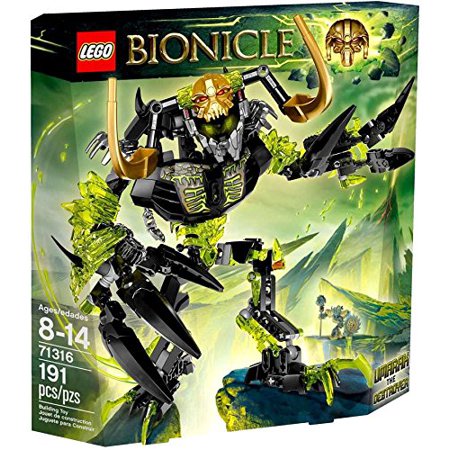
Lego realised that their adult consumers’ attitudes have changed, where they are still a major marketing force, but their needs and belief have changed. Thus, they have begun selling more product geared towards adults, such as Bionicle, a $500 5000 piece Star Wars Lego set, complete with a cool game and storyline to promote it, and an option for fans to design and purchase their own original sets (O’neill 2010). The idea of Lego is to create more challenging innovation – to change existing building systems or platforms to provide a new customer experience (Kastelle 2013). The result was a hit series of toys that generated significant sales for almost a decade. In addition, Lego also began reaching out to fans through social media as well as through Lego brand communities. Through learning the changing market, Lego has shift its attitudes toward its consumer.
References
Armstrong, G., Kotler, P. and Adam, S. 2018, Principles of marketing / Armstrong, Adam, Denize, Volkov, Kotler. Pearson Australia.
Kastelle, T 2013, ‘Innovation Lessons from the Rise, Fall, and Rise of LEGO’, The discipline of Innovation, 13th October, assessed 13th May, <http://timkastelle.org/blog/2013/10/innovation-lessons-from-the-rise-fall-and-rise-of-lego/>
Kelly, G 2017, ‘Rise of the ‘kidults’: why toys are no longer just for children’, The Telegraphy, 10th April, assessed 13th May 2019, <https://www.telegraph.co.uk/men/the-filter/rise-kidults-toys-no-longer-just-children/>
Milne, R 2013, ‘A play-by-play account of Lego’s decline and resurrection’, Los Angelas Times, 21th June, assessed 13th May, <https://www.latimes.com/business/la-xpm-2013-jun-21-la-fi-books-20130623-story.html>
Solomon, M. R., Russell-Bennet, R. and Previte, J. 2019, Consumer behaviour : buying, having, and being / Michael R. Solomon, Rebekah Russell-Bennett, Josephine Previte. Pearson Australia.